Why does food go mouldy?
Colourful mould can appear all over the place: on a week-old sandwich, a forgotten mandarin at the bottom of the fruit bowl or the outside of a piece of cheese. But where does it come from?
Floating seeds
Mould grows from things called spores. Spores are like tiny seeds that spread mould. They are so small that they can float in the air and get into almost any space. They can hitch a ride on the back of an insect or in your pet’s fur, and they can get onto your food from your hands, the kitchen counter or all kinds of other objects.
Spores that land on a dry, bare windowsill will just sit there and do nothing. For them to grow into a mouldy spot that’s visible to the naked eye, spores need three things: oxygen, moisture and food. The conditions have to be perfect – ideal temperatures and just the right amount of moisture in the air – for a spore to turn into mould.
Hairy patches
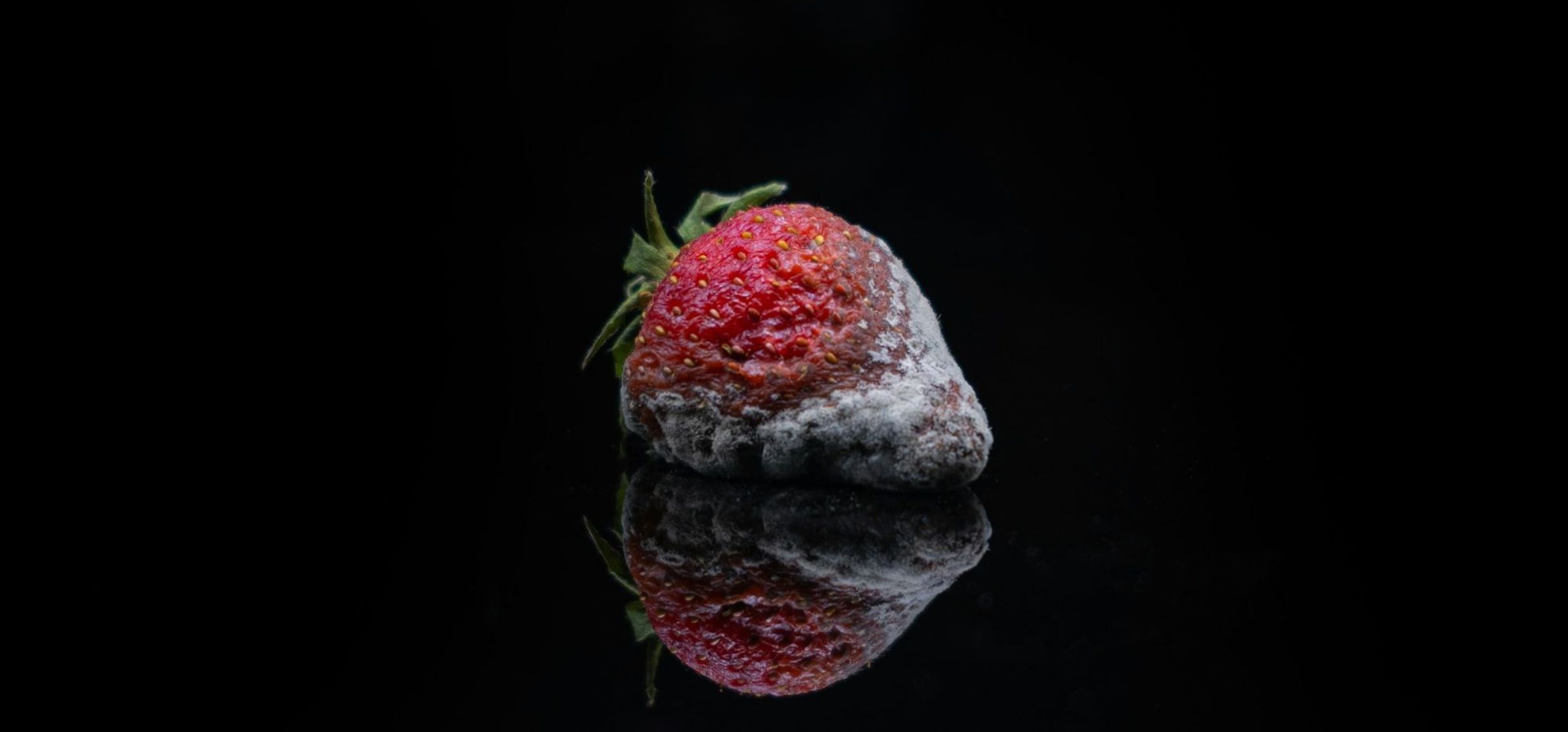
Mould loves a soggy lunch box that’s been hanging around in your school bag for a while, or walnuts that haven’t been dried properly. Soft fruits like plums, mandarins and strawberries will develop hairy patches in no time.
What should you do with mouldy food? Well, some moulds can be poisonous, so the smart thing to do is just to throw it away.
Answered by Judith Neimeijer