How many people can the Earth support
The world is a big, big place. But even our planet has its limits. How many people can it support?
Over 10 billion
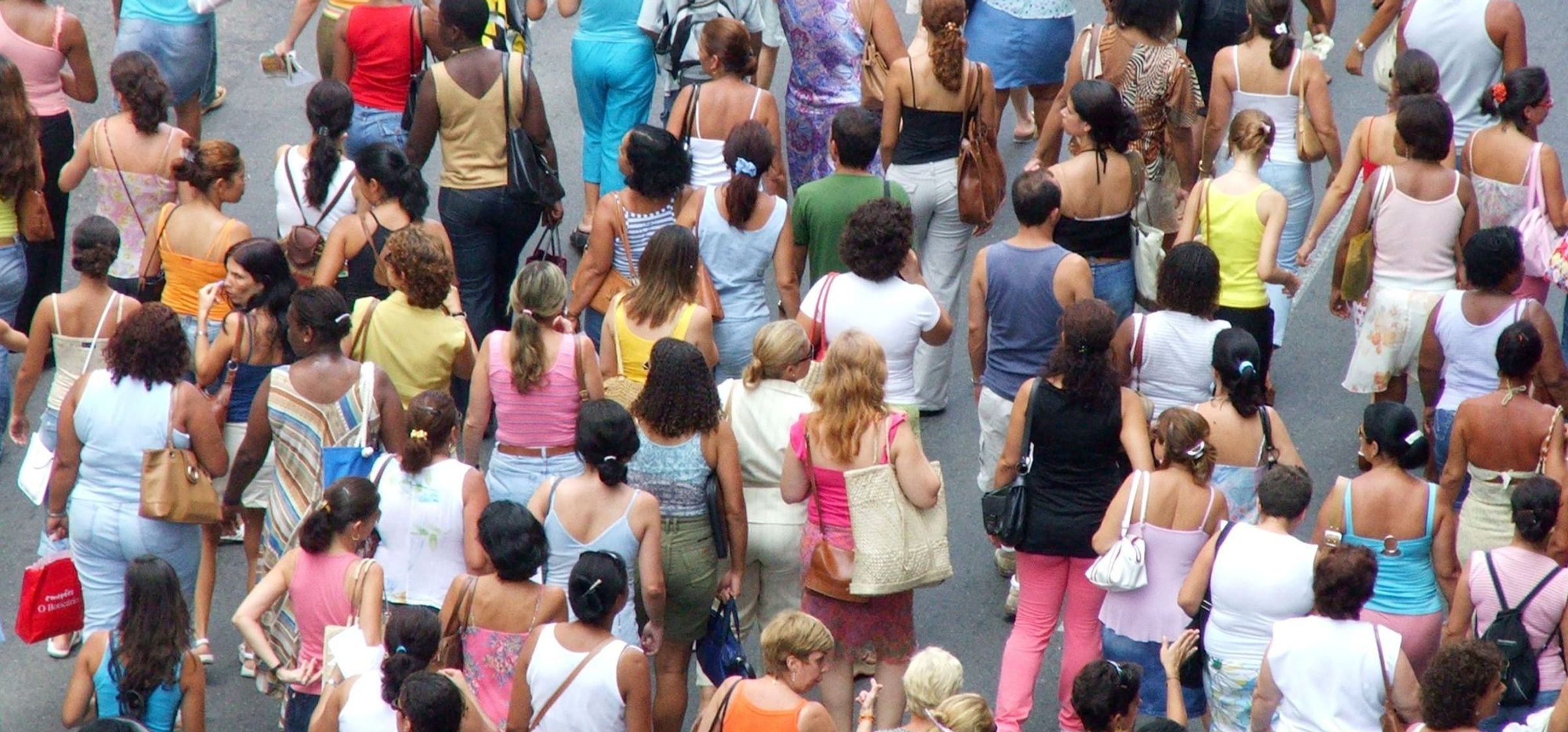
The world currently has a population of about 8 billion people. But there will be a whole lot more of us in the future. According to estimates by the United Nations, the Earth will be home to 8.5 billion people in 2030, 9.7 billion in 2050 and 10.4 billion in 2100.
Questions about the Earth’s maximum population have been keeping researchers busy for centuries. Antonie van Leeuwenhoek (the Dutchman who invented the microscope) kicked things off in 1679. He calculated that the world could sustain no more than 13.4 billion people.
Later generations of researchers came up withvery different figures. Some think the global population should return to 2 to 4 billion people if we want everyone to enjoy a good quality of life without harming the environment or changing the climate. Others believe the world could support up to 1024 billion people!
A hard sum to crack
It’s a hard sum to crack. Scientists need to factor in a lot of different things. There needs to be enough food, enough space to live, enough energy, enough clean air, and so on. That explains the huge range of estimates.
To make our lives easier, the United Nations compared 62 of them. It found that most estimates assumed a limit of 8 billion people (twenty studies) or 16 billion (fourteen studies). Van Leeuwenhoek’s estimate of 13.4 billion wasn’t far off after all!
Answered by Rik Peters