Could we bring the mammoth back to life?
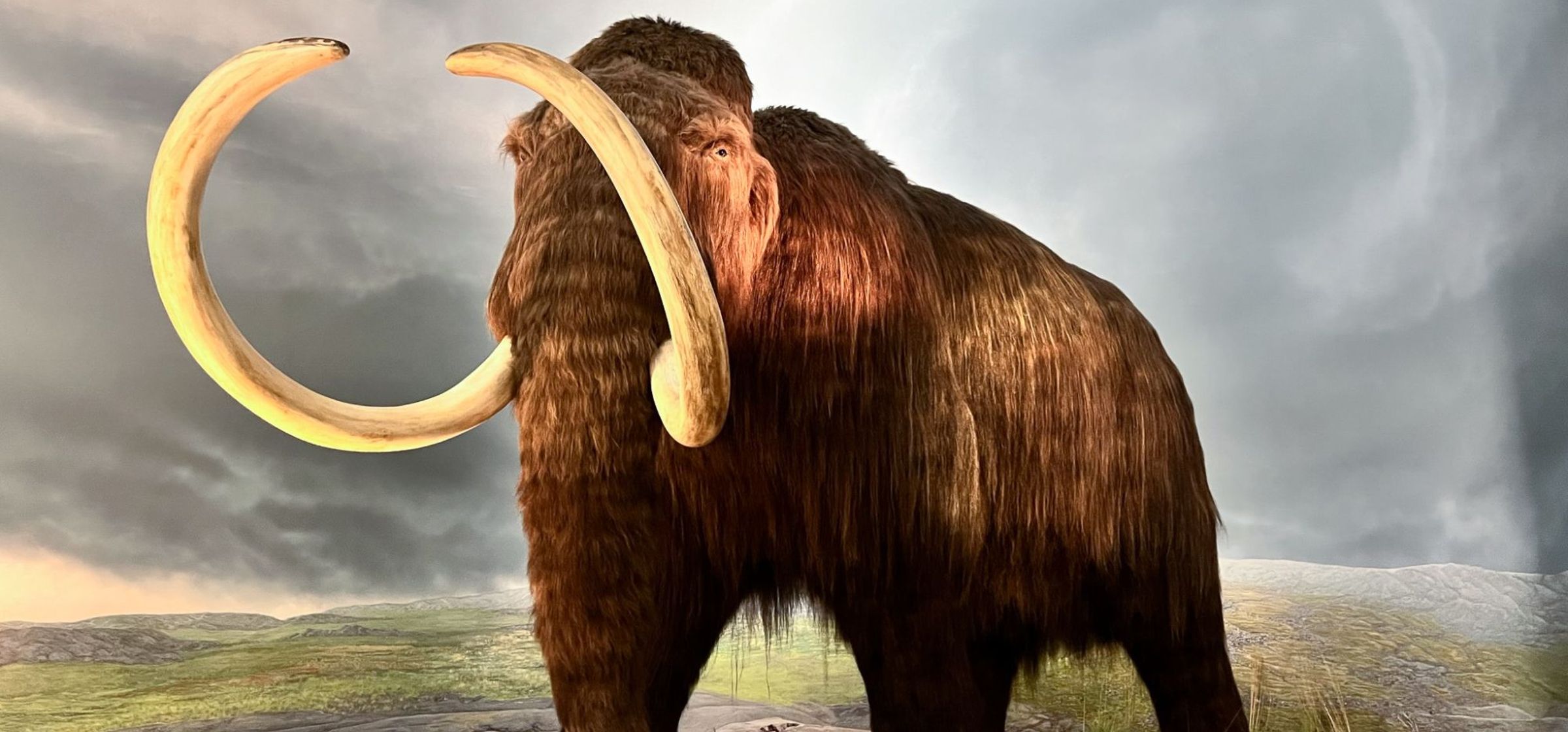
Could we bring the mammoth back to life
Reviving extinct animals might sound amazing, but it comes with some serious risks. Just think about what went wrong in the Jurassic Park films! But could we actually make it happen? Believe it or not, scientists around the world are working on this right now.
Fragmented DNA
Let’s look at the woolly mammoth as an example. These creatures disappeared from the Earth around 3,700 years ago. The exciting part is that scientists have managed to extract DNA from mammoth fossils. DNA is like a set of instructions found inside the cells of all living things. It tells the body how to grow, what it looks like and how it functions.
The tricky part is that after thousands of years, mammoth DNA has become fragmented. Trying to piece it all back together to recreate a mammoth is like solving a giant jigsaw puzzle, possibly with some missing parts.
Mammophant
Luckily, there’s a close relative of the mammoth that’s still around today and which might help us – the elephant.
Elephants and mammoths are genetic cousins – their DNA is almost identical. By carefully editing elephant DNA – think of it like a kind of high-tech ‘cut and paste’ – scientists hope to create a new animal that looks and acts like a mammoth. They even have a name for it: the ‘mammophant’.
Lab-based artificial womb
Having DNA isn’t the same as having a living, breathing creature, however. To bring it to life, scientists would need to grow a fertilised mammophant egg into a baby mammophant. But can a real elephant safely carry a mammophant baby? That’s a big question.
Instead, scientists are working on creating an artificial womb in the lab. Of course, that’s no simple task either.
All slightly different
Let’s say everything goes to plan – what happens next? You’d have a single mammophant. A great start, but just one. What you actually want is a whole herd. That way, they could breed naturally and grow their population over time.
Ideally, each mammophant would have slightly different DNA. If they’re all genetic copies, they’d be almost identical to one another. That’s risky, because if one gets sick, they could all be vulnerable to the same disease.
Extinct again
Tot slot is de vraag: kunnen die in elkaar geknutselde mammofanten overleven in het wild? Wie weet leggen ze binnen de kortste keren allemaal het loodje. Heb je bakken met geld uitgegeven aan het terugbrengen van een uitgestorven soort, is die binnen de kortste keren wéér uitgestorven.
Finally, the big question: could these lab-created mammophantsactually survive out in the wild? It’s possible they wouldn’t last long; they might struggle to adapt and could die out quickly. After all that effort and expense to bring them back, they could become extinct again just as fast.
This answer is an English translation of an edited version of a text from the Dutch book ‘Waarom drinken we zoveel koffie?’
This video shows how DNA is extracted from strawberries: (Video is in Dutch)