Could the Earth run out of magma?
You might think that every volcanic eruption drains a bit more magma from inside the Earth. Won’t that supply of magma eventually run out?
Expanding island
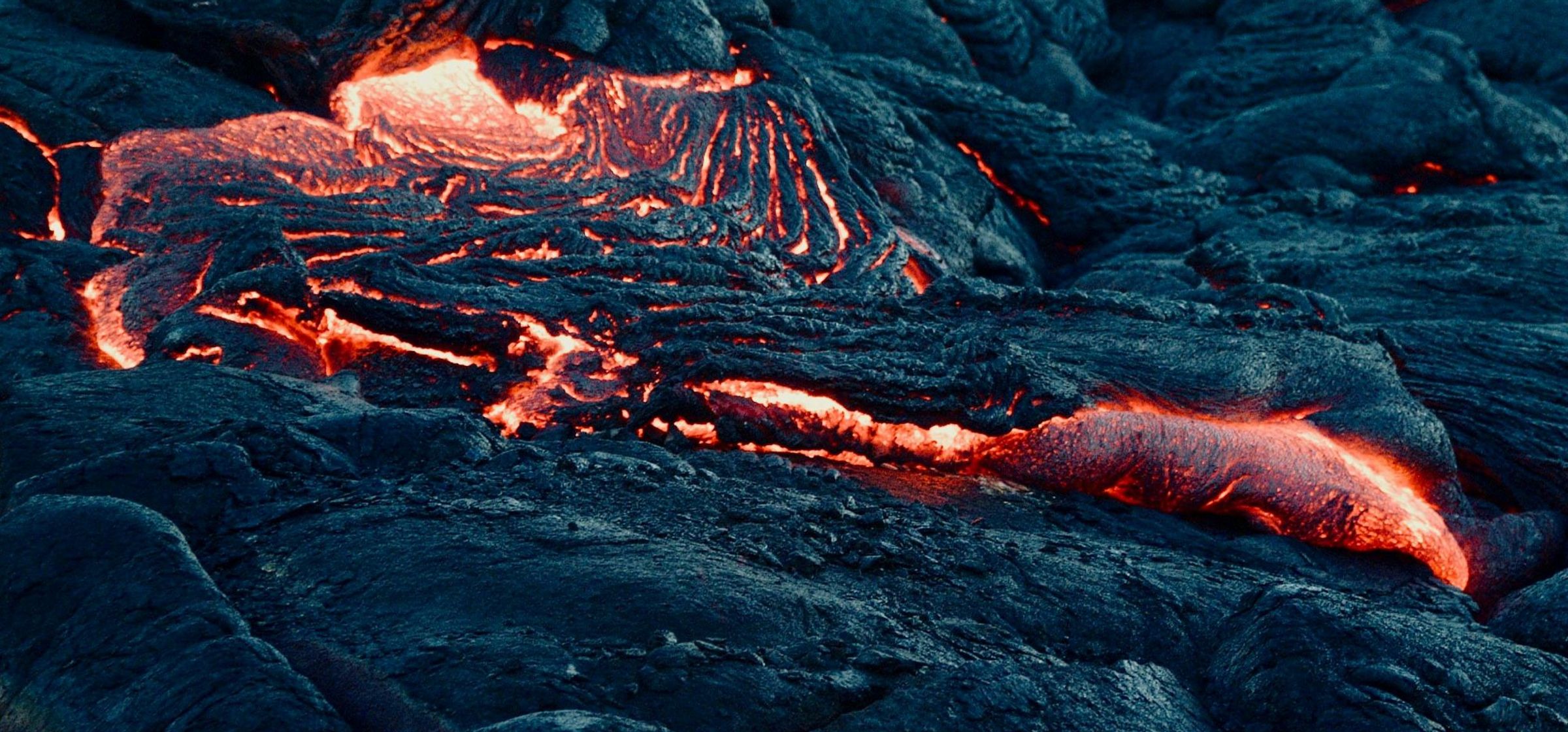
Let’s go back to autumn 2021. From deep inside the Earth, magma surged upward through the Cumbre Vieja volcano on the island of La Palma. As it spilled out, it became lava - hot, glowing and unstoppable. Entire villages were swallowed by its flow.
Surprisingly, the eruption didn’t just destroy - it also created. The island grew larger, its coastline stretched outward and new hills formed, all thanks to over 100 million cubic metres of lava that poured over the island. With eruptions like this, you might wonder if Earth is slowly hollowing itself out.
A huge cake
But that’s not the case The amount of magma beneath Earth’s surface is still millions of times greater than what erupted from Cumbre Vieja in 2021. More importantly, new magma is constantly being formed by the Earth.
Imagine the Earth as a huge cake. The outer crust is hard and cool, floating on the hot, semi-liquid mantle beneath - our planet’s fiery filling. In some parts of that filling (the mantle), it gets so hot that the rock actually melts. That melted rock is what we call magma.
The Earth’s crust isn’t solid. Insteadit’s broken into several large pieces called plates. These plates are always on the move and sometimes crash into each other.
Fairly steady
When two plates collide, one can slide beneath the other and get pushed into the hot mantle. There, part of the crust heats up and begins to melt, creating fresh magma.
At the same time, new openings in the crust elsewhere let more magma rise to the surface. As it cools, it hardens and becomes part of the crust. This cycle has kept Earth’s magma levels fairly steady for millions of years!
Beantwoord door Sebastiaan van de Water