Go to main content

Game On

Video games are now bigger than the film and music industries combined. But how are they affecting us? In this exhibition, you can explore how games are changing the way we play, socialise and express ourselves. It’s designed for both seasoned gamers and people who’ve never held a controller before.

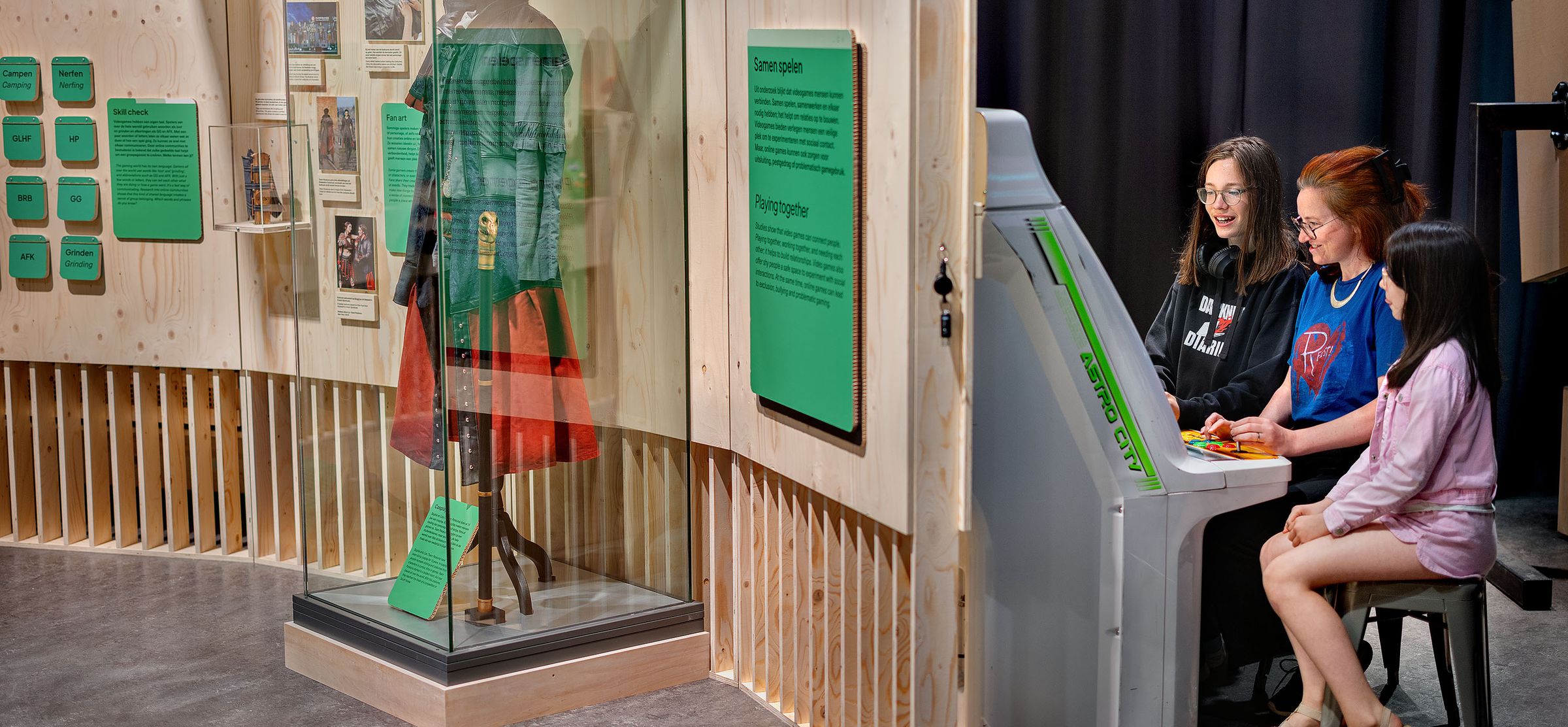
adults playing arcade games

From 11 July until 26 October 2026

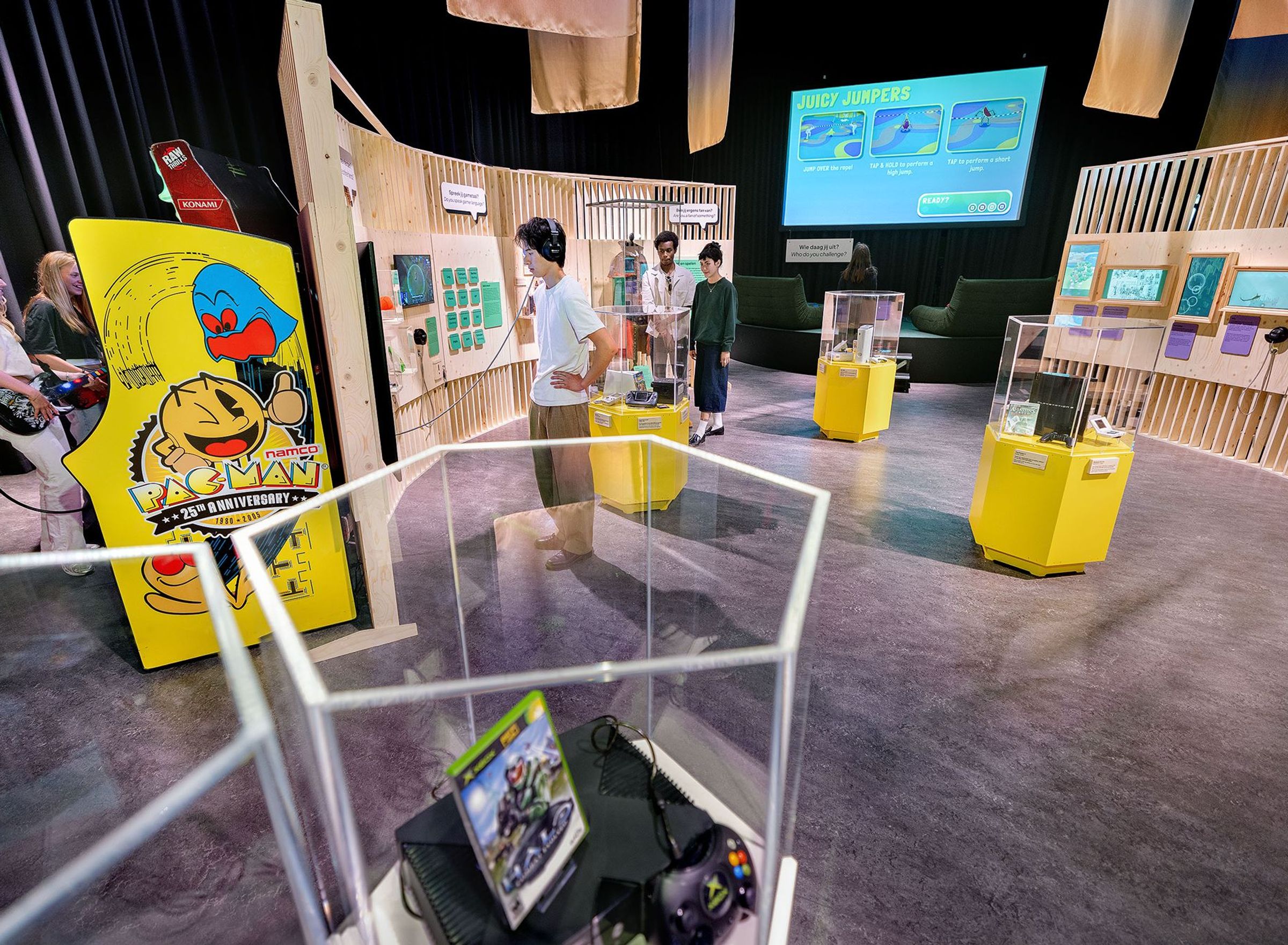
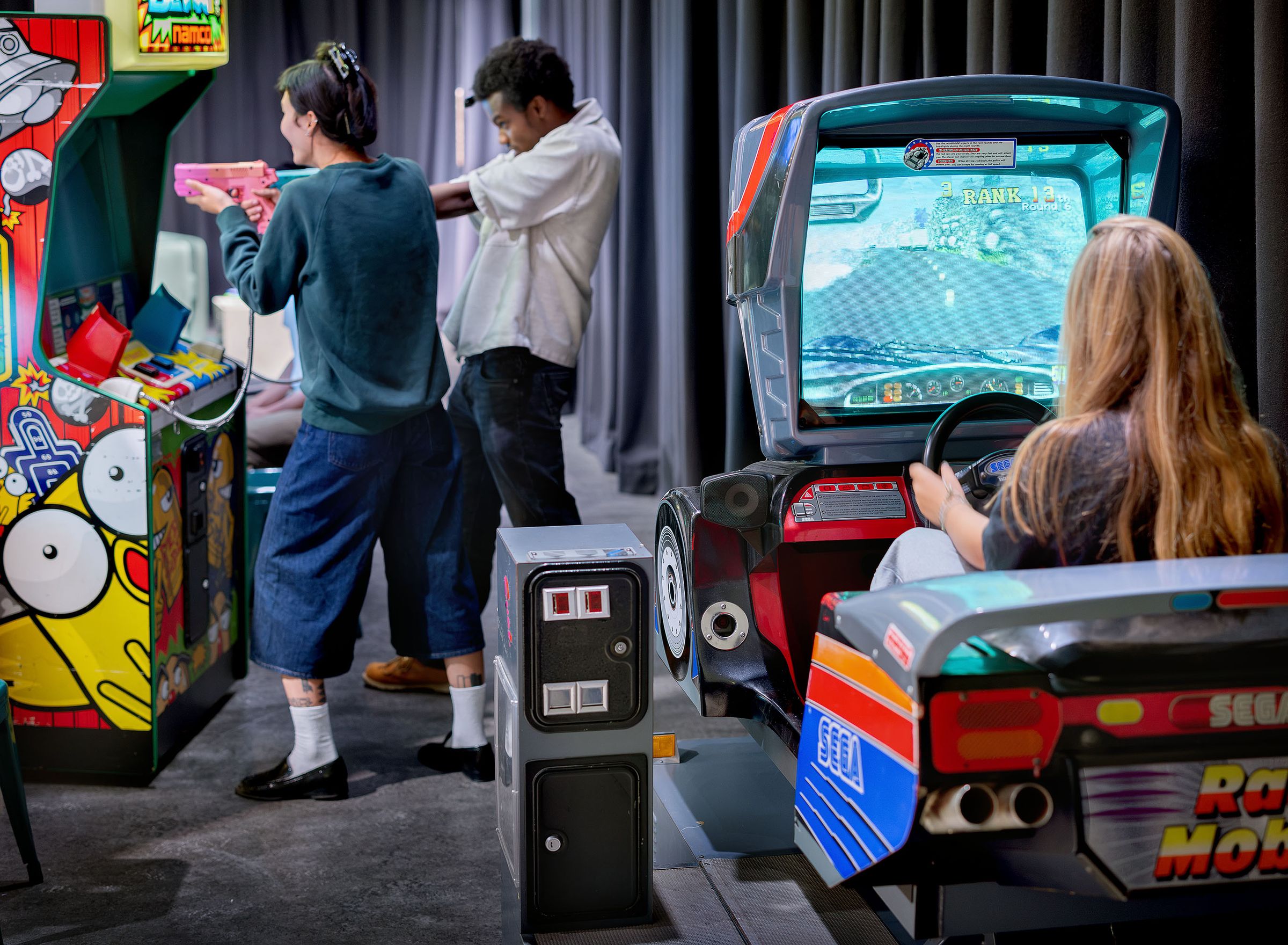
The new exhibition Game On shows that games open doors to new worlds and possibilities – from designing your own character to racing with players all around the world. Developments in technology are making video games smarter, more creative and more multi-faceted all the time. They offer us new ways to play and to learn. In Game On, you’ll discover how games help shape our lives and explore the role they play in science, art, and social connection. And you can play games yourself, too: from Super Nintendo to Atari 2600 and PlayStation 5.

The exhibition Game On can be found in the Theater on the second floor of NEMO.

Four kids sitting and chatting. They have Minecraft heads. AI generated.

For everyone, from noob to pro

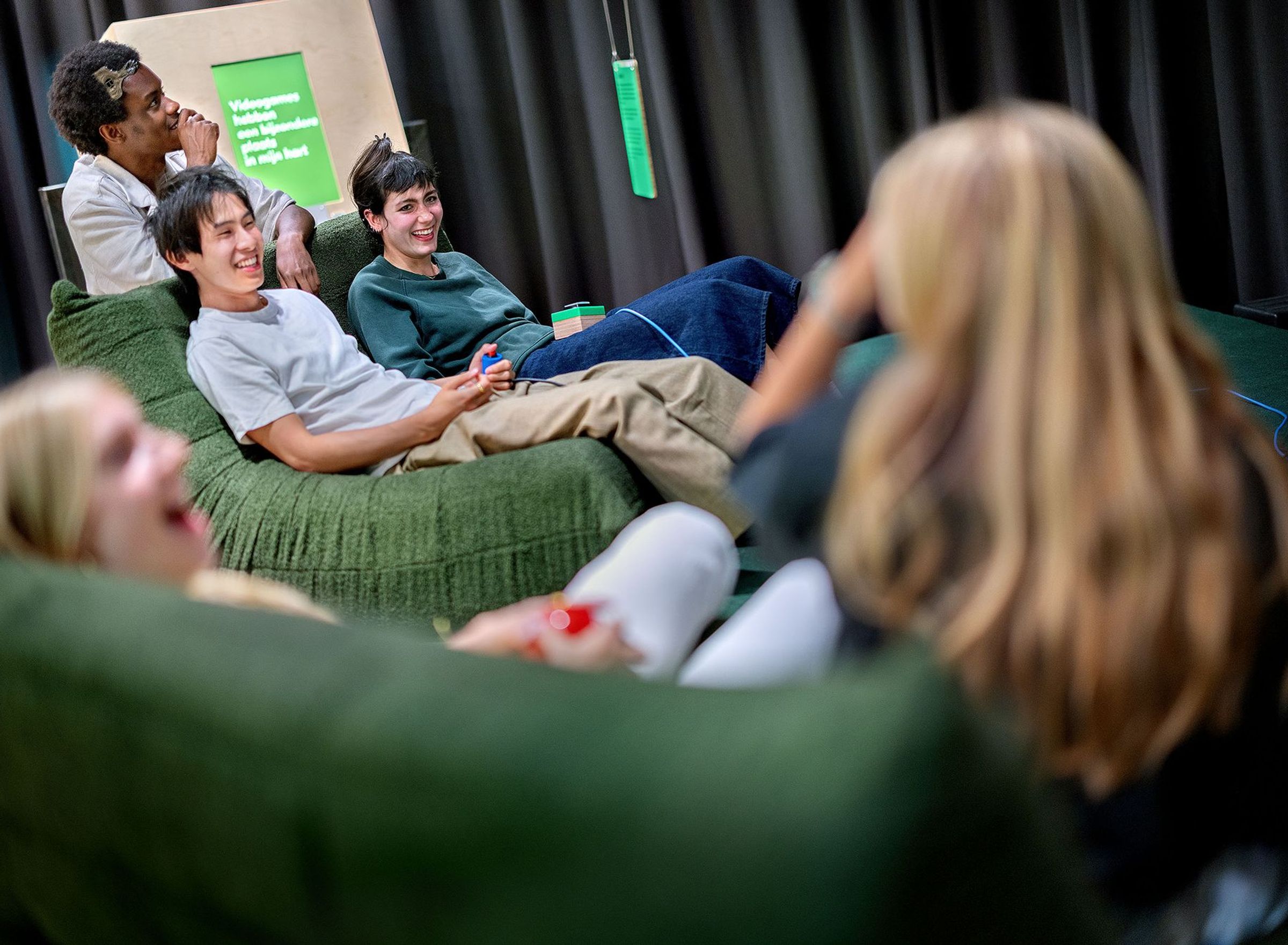
Whether you play video games every day or have never held a controller before, Game On is for everyone. In the exhibition, you can discover how technology has changed the way we play games over the years, and the role gaming plays in our lives today. You can experience and explore games as an art form and discover how gaming can help people develop creativity and problem-solving skills. The exhibition also explores the social side of gaming: how it brings people together, as well as the challenges it can present. Also, have a look at how scientists study the influence of video games on emotions, behaviour and even pain perception.

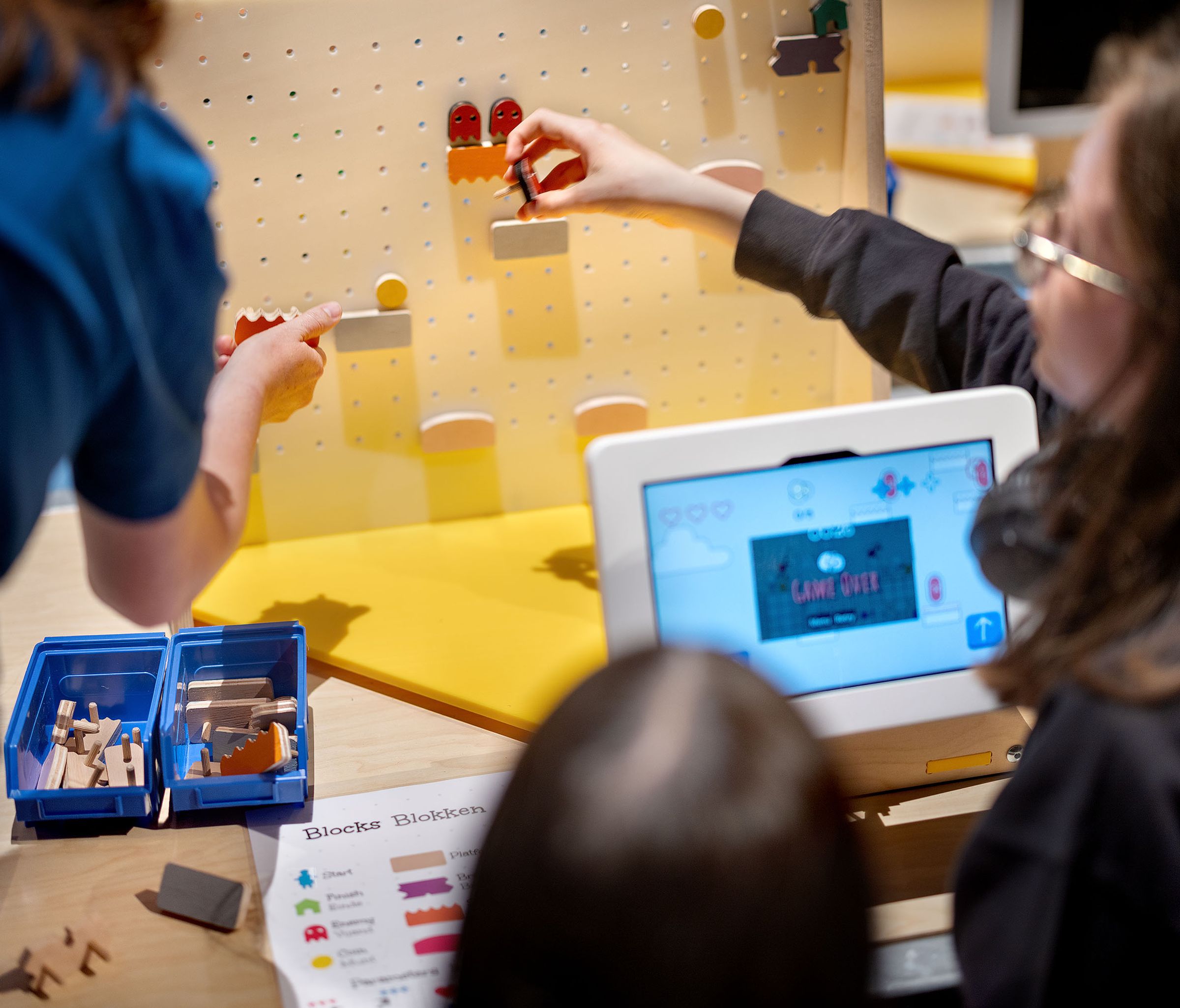
The museum’s Maker Space is also focused on gaming. You can build a game level yourself and then play it right away! This workshop was developed in partnership with Cinekid and Copotato. And you can also play a game that was developed by students at Amsterdam University of Applied Sciences (AUAS) – and explore the process that they used to make the game. The display cases in the Maker Space feature a mini-exhibition on professions in the gaming industry.It showcases the process of game development used by AUAS students.