Under your feet
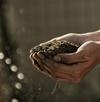
Bacteria, fungi, worms and insects live in the soil. Just one handful of garden soil can contain millions of micro-organisms.
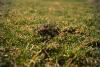
Bacteria, fungi, worms and insects live in the soil. Just one handful of garden soil can contain millions of micro-organisms.
Earthworms eat natural materials which they mix with the soil. As they dig, they create tunnels that let air in and allow oxygen and water to flow underground. Plants also use these tunnels for their roots.
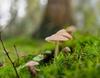
Many plants work with fungi. Fungal threads around plant roots help them absorb nutrients from the soil. In return, the fungi get sugars from plants. This partnership is common in gardens and parks.
The soil is a community of organisms that all work together. The mix of species determines whether processes run well and whether plant growth is stable.
The species living underground form the basis for everything you see above ground.

View the next story
