Go to main content
Story

Never truly dark

Never truly dark

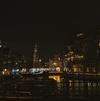
In cities it is rarely completely dark at night. Streetlights, traffic and buildings continue to give off light. This changes what the night looks like and how nature responds to it.

Artificial light

Some artificial light shines sideways and upwards at night. This light gets reflected by clouds and dust in the air. It creates a faint glow above the city, even if you cannot see the lamps themselves.
Day length

Plants respond to the length of the day. For many species, the amount of darkness determines when they flower or drop their leaves. This process is called photoperiodicity.

When the night is lit by artificial light, plants’ light response changes.

Leaf fall

Trees that are close to streetlights sometimes keep their leaves longer in autumn than trees growing in darker places. The additional light lengthens the plant’s day. As a result, they drop their leaves later.

Nocturnal insects

Many moths and other insects navigate by moonlight or the stars.

Bright artificial light disrupts their orientation. Sometimes, insects keep flying around lamps. This costs energy and puts them at more risk of being eaten.
Migratory birds

Some bird species migrate at night and use star patterns to navigate. Bright artificial light can disrupt their orientation.
Starry sky

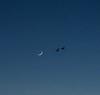
In places that are truly dark, you can see thousands of stars at night.

In urban areas, light pollution makes weaker stars impossible to see. Often, only the brightest stars and planets are visible. The Milky Way cannot be seen from most urban areas.

What does not change because of light pollution?

View the next story