Go to main content
Story

Nature on the move

Nature on the move

Not all species that you see in a place stay there. Nature is constantly on the move: daily, seasonally or from generation to generation.

Daily routes

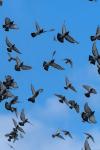
Starlings sleep in large groups in fixed places at night. During the day, they fly long distances to search for food.

The city is part of their network of roosting and feeding places.

How far can a starling fly between roosting and feeding locations in one day?

Seasons

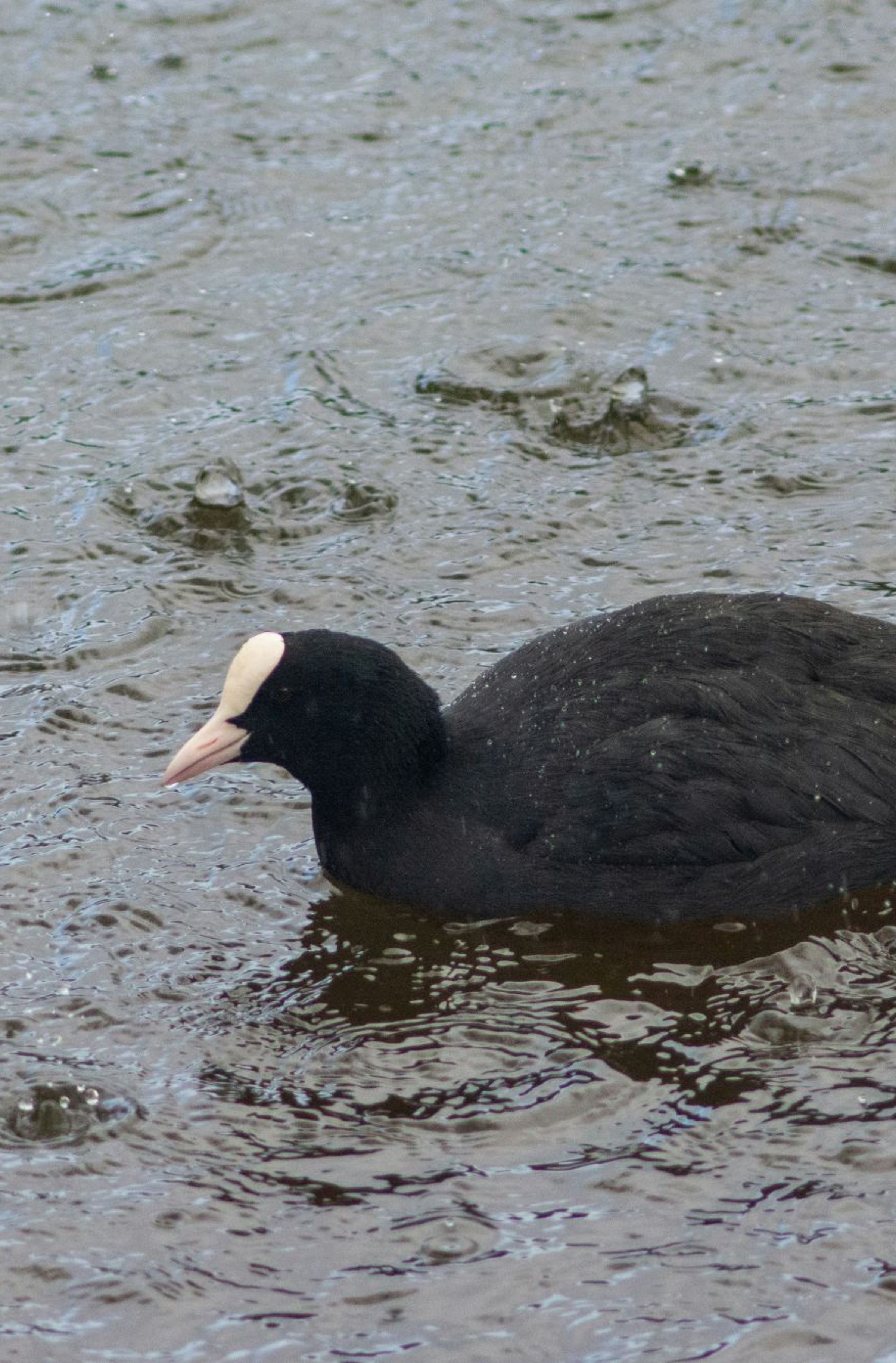
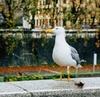
Many gulls build their nests along the North Sea coast or on city rooftops. Outside the breeding season, they move inland. They look for food on the waterside or on streets and squares.

Gulls that visit NEMO may have been at the coast earlier that same week!
Seeds

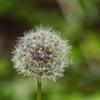
Plants spread through their seeds. Wind can carry light seeds from one park to another. Birds also help: they eat berries and spread the seeds through their droppings.

Spread by humans

Plant seeds and fungal spores are also spread by humans. They hitch a ride on the soles of our shoes, on bicycle tyres or with building materials.

In cities, where thousands of people move around every day, seeds constantly spread along new pathways.

Meeting point

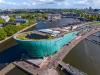
Many species come together in cities, where they can find food, warmth and shelter. For some, the city is a permanent home. For others, it’s a temporary stop.

View the next story