Go to main content
Story

A wet environment

A wet environment

Rain and moisture are not always beneficial for nature. For plants and animals, it matters when water is available. The effects of a wet period in spring are different than of the same amount of rain later in the year.

Availability

In spring, many species begin growing and reproducing. Plants sprout and animals become active. If it stays dry for a long time, things happen differently. Seeds germinate later or less evenly. And water that is normally available might not be – right at the time that it is needed.
Conditions

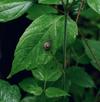
Many animals time their reproduction to wet conditions. Eggs and larvae may not survive if they dry out. Rain and high air humidity boost their chances of survival and full development.

Water

Plants need water for seeds to germinate. Without enough water, a seed stays dormant. Only when the soil and air are moist enough does growth begin. The time at which this happens affects how strongly a plant develops.

Too wet

An environment that is too wet can also cause problems. During long periods of rain, the soil becomes waterlogged and less oxygen reaches plant roots. Seeds may rot and young plants won’t grow as well.

Insect eggs and larvae can die if their habitat changes too much.

Balance

For many species, success is a balancing act. Too little water limits growth and reproduction. But so does too much.

Often, you don’t notice the effects until later on: in how many plants come up and how many animals you see. A wet period can therefore tell you something about what the coming months will bring.

Suppose that it is wet for many weeks in spring. What may be different later in the year?

View the next story