Nature in summer
In summer, nature is going strong. Plants have lots of leaves and cover much of the ground.
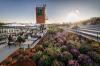
In summer, nature is going strong. Plants have lots of leaves and cover much of the ground.
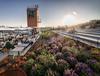
In summer, plants and animals respond strongly to the sun and temperature. Heat speeds up many processes. Insects move about more, plants keep growing and animals stay active for longer. Species differ in how active they are and at what times of day.
This makes summer the most noticeably active season, especially in the daytime. But not all species are active at the same times.
Heat influences nature. When temperatures are high, many animals seek shelter. They stay close to the ground, among plants or in the shade, where it is cooler.
On hot days you often see fewer animals out in open, sunny places. Later in the day, these areas may become busy again.
The busy summer period is temporary. Many insects spend most of their lives as larvae in the soil or on plants. In summer they become adults, sometimes for only a few weeks. The insects you see flying around now are often in the final stage of a long development.
After the longest day of the year, the days slowly shorten. This happens in mid-summer. The amount of daylight changes, but it is still warm. Day length is an important signal for plants and animals. It determines when growth stops, when seeds ripen and when behaviour starts shifting towards the next season.
View the next story