Go to main content
Story

Nature in autumn

Nature in autumn

In autumn, nature changes noticeably. Leaves change colour, flowers disappear and plants make seeds. Plants that grew close together in summer lose their leaves and partly die back. Where the ground becomes bare, sunlight falls directly onto the soil.
Autumn colours

The changing of leaf colours is an active process. Plants pull nutrients back out of their leaves before letting them fall. These substances, which are needed for growth and flowering, are stored inside the plant. Leaves lose their green pigment first, so only yellow and red pigments are left. After this, the leaves drop.

What is the most important signal for many plants to drop their leaves?

Plant seeds

Plants spread their seeds. Some seeds fall straight down and stay close to the parent plant. Others blow away or are carried away by animals. Animals eat plant berries and nuts and poop the seeds out somewhere else.

Spreading seeds gives new plants a chance to grow in other places.

Next generation

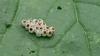
Animal life also changes. Many butterflies, flies and beetles that flew around in summer die in autumn. But first, they lay eggs or make sure their offspring can survive the winter. The next generation overwinters as eggs, larvae or pupae, depending on the species.

Decomposition

Things start to decompose in many places. Fallen leaves, stems and dead insects become food for fungi and bacteria. These natural materials are then broken down into nutrients in the soil. Plants take up these nutrients again the following year.

Preparations

Leaves on the ground provide shelter and food for insects. This attracts animals that are preparing for winter. Hedgehogs are still active at this time: they eat a lot and look for shelter among leaves and branches. They use what autumn provides to get them through the winter.