Go to main content
Story

Nature in spring

Nature in spring

When winter ends, nature comes alive again. Plants sprout, shrubs form buds and the Rooftop Square changes before your eyes.

Early spring

In early spring, nature responds strongly to sunlight and temperature.

Days grow longer and the sun warms the soil. For many plants, this is the signal to start growing. Animals become more active too. In a short time, you begin seeing things that were long hidden.

Plant growth

Growth starts underground. First, roots become active again, taking water and nutrients from the soil. Soon after that, new leaves and shoots start appearing aboveground.

Nectar

Flowers make nectar. Nectar is a sugary, energy-rich liquid that some insects feed on. In early spring, nectar is scarce and important mainly for species that are just becoming active.

In late spring, when many plants are in bloom, nectar is more plentiful. This is a busier time, when more insects are active at once.

Birds

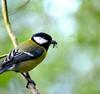
Birds are easier to see and hear again. Often, they are busy searching for food in places where insects live.
Vulnerability

Spring is a vulnerable time. Small insects and young plant leaves are sensitive to sudden changes in the weather. Birds and other animals are also dependent on the weather when searching for food and nesting places.

A cold night or a dry spell can have a big impact on nature. What happens now will shape the summer to come.

What do you notice most in spring?

View the next story