Go to main content
Story

How the Bioto plant listener works

Measuring

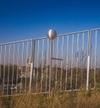
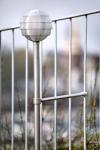
On the roof is a measuring post called the Bioto plant listener. The plant listener is constantly collecting data about the local environment. For example, about temperature and moisture. Since these conditions affect life on the roof, the measurements help explain what is happening nearby.


Local environment

The plant listener measures the local environment. There is a lot to measure. Temperatures go up and down. The air gets drier or wetter. After rainfall, the soil may hold water for days. Sensors track these changes in detail.

Sensors

Hidden inside the plant listener are several sensors. Each sensor measures a different feature of the local environment.

Data

The sensors send their measurements to the Bioto database and then to the dashboard. Each measurement gets a timestamp. This shows exactly when something changed and how quickly. Over time, this lets you see patterns, such as between seasons.

Bioto

The plant listener is part of Bioto. Bioto has measurement points all over the Netherlands. This lets us compare measurements from a range of environments.

Bioto uses the data to learn about different places. For example, about how green areas are affected by the weather and changes in climate.

Measurable data

The sensors do not measure plants or animals. They measure conditions such as heat, moisture and light. However, the data do tell us some things about plants and animals.

Connections

Data about the weather tell us about living conditions on the roof. Plants can grow only if there is enough water in the soil. Insects are only active above certain temperatures. Fungi break material down faster in wetter conditions.

Patterns

When you track measurements over time, you can see patterns. For example, in how fast the soil dries after rain, or how much the roof warms up on sunny days.

View the next story