Heat
Stones and tarmac heat up quickly in the sun. They store heat and then slowly release it again, even after sunset. Because of this, cities stay warm longer than green areas
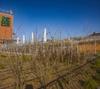
Stones and tarmac heat up quickly in the sun. They store heat and then slowly release it again, even after sunset. Because of this, cities stay warm longer than green areas

In built-up areas, the sewer system quickly drains rainwater away. There is not much soil to hold water.
After a dry spell, there is little water available. This leaves plants and animals to face dry conditions.
Plants with deep or wide-spreading roots can absorb water from layers deeper underground. Plants with shallow roots, such as grass, are dependent on the top layer. This layer is the first to dry out.
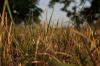
Plants with thin, wide leaves can lose a lot of water in a short time. Plants with thick or small leaves lose less. These features determine how much water is lost at high temperatures.

Annual plants, which live only one year, can form fruits and seeds before a drought arrives. This allows the next generation to survive.
Perennial species, which live longer, have to survive summer droughts. They need to prepare by limiting their water use and storing it in their leaves.
Animals also have to keep their body temperatures within a certain range.
Some mammals can sweat, like humans do. Insects seek the shade or rest during the hottest part of the day.
One hot summer doesn’t change things much. But if heat and drought return year after year, species that can cope with these conditions have a better chance of surviving.
Over time, this can cause nature to shift: there will be fewer species that depend on moisture and more species that can cope with heat.
View the next story