Cooling greenery
Cities can feel hot and stuffy on warm days. But some places don’t get as hot.
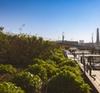
Cities can feel hot and stuffy on warm days. But some places don’t get as hot.
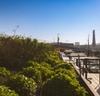
The difference has to do with water.
Water is a form of energy. When water evaporates, heat is needed to turn the water from a liquid into a gas. This heat is taken from the surroundings, which cools the air.
Plants support this cooling. Tiny openings in the leaves, like pores, release water into the air.

Plants release water through what is called evaporation. As long as plants have enough moisture, they can use heat from their surroundings to evaporate water. This helps plants stay cool while also cooling the area in which they’re growing.
Evaporation has limits. If plants have too little moisture, they close their pores to keep from drying out. Less water evaporates, which reduces their cooling effect.
This means greener doesn’t automatically mean cooler! Plants’ cooling effect varies by time and place. Dry and hot conditions affect how well evaporation works.

Cities are often both hot and dry. Rainwater quickly drains away on stone paving, which also stores heat. This leaves less water for evaporation, while pushing temperatures up.
Water is constantly moving from place to place. It enters the ground as precipitation. Then it evaporates back into the air.
Places with lots of plants, such as gardens and green rooftops, hold water for longer.
View the next story