Flutter time
At this time of year, flowering plants attract more activity than other things on the roof. Flying insects such as butterflies, hoverflies and bees gather around flowers.
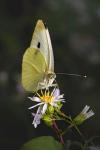
At this time of year, flowering plants attract more activity than other things on the roof. Flying insects such as butterflies, hoverflies and bees gather around flowers.
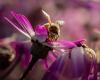
When an insect stops at a flower in search of nectar, pollen rubs off on its body. If this pollen brushes the stigma of a flower of the same species, fertilisation can take place. This process is called pollination and is how many plants reproduce.
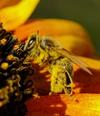
Not every flower is visited as often. Flowers differ in how much nectar they produce, their scent and their shape. Insects revisit flowers that provide more energy more often.
Plants that attract more pollinators produce more seeds overall.
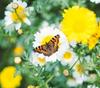
Successful pollination means a plant can produce seeds. This determines which plants will spread and reappear next year.
Today’s flower activity influences what the roof will look like next year.
View the next story
